How Smoking Affects the Color of Your Teeth — And How Professional Whitening Can Help Restore Your Smile

Tabitha Garbart DNP RN • November 17, 2025

Most people know smoking impacts lung and heart health—but fewer realize just how dramatically it affects your smile. Cigarettes, cigars, and even vaping can leave deep, stubborn stains that brushing alone can’t fix. Over time, these stains make your teeth look yellow, brown, or aged far beyond your actual years.


If you smoke or have smoked in the past, here’s what you need to know about how nicotine affects tooth color—and how professional teeth whitening can help restore a brighter, healthier-looking smile.


How Smoking Causes Tooth Discoloration


Smoking doesn't just stain teeth on the surface—it penetrates deeply into the enamel.


Here’s why:


1. Nicotine Turns Yellow When Exposed to Oxygen


Nicotine itself is colorless, but the moment it contacts oxygen, it turns yellowish. This pigment seeps into enamel and is extremely difficult to remove without professional treatment.


2. Tar Is Naturally Dark and Sticky


Tar from tobacco is thick, dark, and attaches easily to tooth surfaces. Over time, it causes:

  • Yellow staining
  • Brown patches
  • Dark streaks
  • A dull, uneven tooth shade

These stains often sit deeply within the enamel.


3. Smoking Weakens Enamel


Smoking reduces saliva flow and introduces acids that soften enamel. Weakened enamel becomes more porous, meaning stains settle in even faster.


4. Vaping Can Cause Staining Too


While vaping may lack tar, many vape solutions contain:

  • Nicotine
  • Artificial colorings
  • Flavoring chemicals
  • Sugars and acids

All of which can discolor teeth and weaken enamel over time.


5. Smoking Causes Plaque & Tartar Buildup


Smokers have more plaque, and once it hardens into tartar, it traps pigments—leading to dark lines near the gum line.


What Smoking Stains Look Like


Stains from smoking are unique. You may notice:

  • Yellow or brown tooth surfaces
  • Dark lines between teeth
  • Discoloration near the gums
  • Teeth that look older or more worn
  • Stains that brushing and whitening toothpaste can’t remove

These are signs of deep-set discoloration that penetrates into the tooth structure.


Why Over-the-Counter Whitening Isn’t Enough for Smokers


Whitening toothpastes and strips can help with surface stains, but smoking stains go far deeper. Typically:

  • OTC products don’t penetrate enamel
  • Stains return quickly
  • Results are minimal or uneven

To truly reverse the effects of smoking, you need a whitening solution strong enough to lift stains from inside the enamel—not just the outside.


How Professional Teeth Whitening Can Help


Professional whitening—like the services offered at Trident Smile—is the most effective way to dramatically brighten teeth discolored by smoking.


Here’s how it helps:


1. Removes Deep Nicotine & Tar Stains


Professional-grade whitening agents penetrate enamel to break down pigments that have been sitting in your teeth for years.


2. Whitens Teeth Several Shades in One Visit


Unlike OTC products that take weeks, professional whitening provides fast, noticeable results—often within a single appointment.


3. Creates a Brighter, More Youthful Smile


Smoking stains are aging. Whitening reverses that, giving your smile a healthier, fresher appearance.


4. Safe for Sensitive or Worn Teeth


Professional whitening is controlled, monitored, and customized, reducing sensitivity and protecting enamel throughout the process.


5. Boosts Confidence


A whiter smile helps patients feel more confident at work, around friends, and in photos—especially those working to quit smoking.


Tips to Keep Teeth Whiter After Whitening


Whether you’re still smoking or working to quit, you can help maintain results with a few simple habits:


  • Brush twice a day with a low-abrasion whitening toothpaste
  • Rinse your mouth after smoking
  • Drink water throughout the day
  • Limit coffee, tea, and red wine
  • Use a straw with dark beverages
  • Schedule regular cleanings
  • Use whitening touch-ups as recommended

This is paragraph text. Click it or hit the Manage Text button to change the font, color, size, format, and more. To set up site-wide paragraph and title styles, go to Site Theme.
By Tabitha Garbart DNP RN November 17, 2025
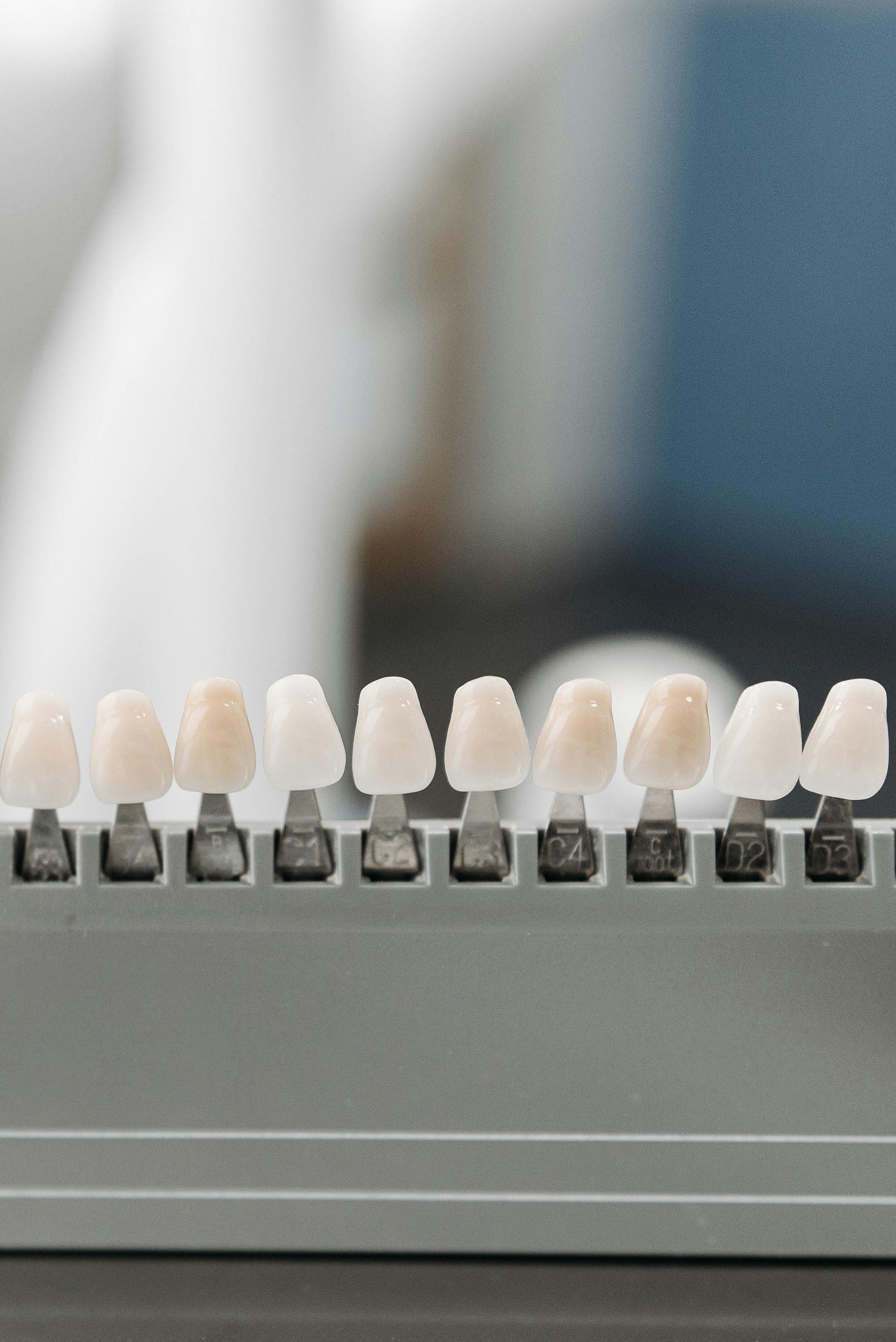
Whitening isn’t magic—it’s science. How Whitening Works Professional whitening gels contain hydrogen or carbamide peroxide, which breaks down into oxygen molecules that penetrate enamel and lift stains from within. Types of Stains Whitening Targets Extrinsic stains (coffee, wine, tobacco) Intrinsic stains (aging, enamel wear) Deep-set discoloration Why Professional Whitening Works Better  Higher concentrations = better, faster, more even results. Customized application = safer for enamel and gums. Professional oversight = longer-lasting brightness.
By Tabitha Garbart DNP RN November 17, 2025
There’s a lot of misinformation out there about whitening. Let’s clear up a few common myths: Myth #1: Whitening Damages Enamel False. Professional whitening is enamel-safe and dentist-approved. Myth #2: Charcoal Toothpaste Whitens Teeth Charcoal is abrasive and can actually wear down enamel, making teeth look darker over time. Myth #3: Whitening Toothpaste Works as Well as Professional Whitening Not true. Toothpaste only removes surface stains—it cannot lighten the dentin beneath enamel. Myth #4: Whitening Results Are Permanent Lifestyle habits affect how long results last, but professional whitening can be maintained with touch-ups. Myth #5: Whitening Makes Teeth Too White  Results are customized so your smile looks naturally bright—not artificial.
By Tabitha Garbart DNP RN November 17, 2025
If you have sensitive teeth, you may worry that whitening will make things worse. The good news is that professional whitening is safe and customizable , even for patients with enamel wear or gum sensitivity. Why Sensitivity Happens Weak enamel Exposed dentin Gum recession Highly porous enamel Overuse of store-bought whitening products Why Professional Whitening Is Better for Sensitive Teeth Customized strength and timing Enamel-safe ingredients Desensitizing agents applied before or after treatment Professional monitoring  If you’ve avoided whitening because of sensitivity, professional care offers a safe alternative that protects your enamel while brightening your smile.
By Tabitha Garbart DNP RN November 17, 2025
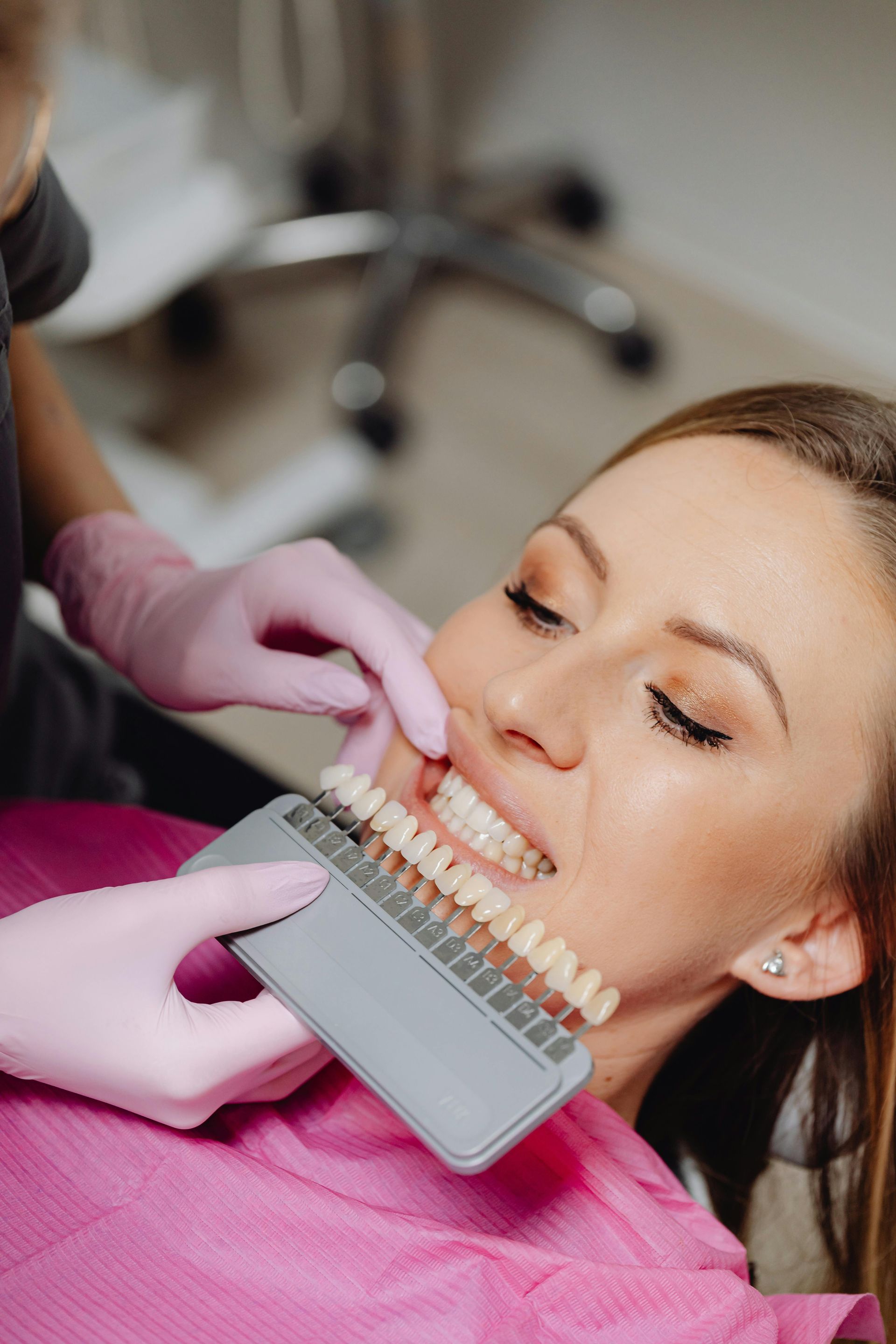
Many patients are curious—or even a little nervous—about their first whitening appointment. The good news? It’s a comfortable, quick, and highly effective procedure. Here’s what you can expect: 1. Consultation & Shade Match Your provider will assess your teeth and determine your starting shade. 2. Preparation A protective barrier is placed to safeguard gums and soft tissues. 3. Application of Whitening Gel A professional-grade whitening gel is applied to your teeth in several rounds. 4. Light Activation We use LED activation to penetrate deep into enamel. 5. Instant Results Your smile will be noticeably brighter before you leave the office. 6. Minimal Sensitivity  Most patients experience little to no discomfort, and any temporary sensitivity fades within 24 hours.
By Tabitha Garbart DNP RN November 17, 2025
After whitening your teeth, the natural question is: How long will this last? For most patients, results can last anywhere from 6 months to 2 years , depending on lifestyle and habits. Here's what determines longevity—and how to make your whitening last as long as possible. Factors That Affect Whitening Duration Coffee, tea, and red wine consumption Smoking or vaping Dark foods and sauces Natural enamel thickness Daily oral hygiene habits Tips to Keep Your Smile Bright Brush twice a day with whitening toothpaste. Use a straw for dark beverages. Rinse your mouth after drinking coffee or wine. Schedule regular cleanings. Avoid smoking for the best long-term results.  Professional whitening gives you a jump-start—maintenance keeps that vibrancy glowing long-term.
By Tabitha Garbart DNP RN November 17, 2025
A bright smile can make you look younger, feel more confident, and create a great first impression. With so many whitening products in stores today—strips, pens, toothpastes, LED kits—it’s no surprise that people try over-the-counter options first. But if you’ve used them and seen little to no improvement, there’s a reason. Professional teeth whitening offers unmatched results, safety, and consistency. Here’s why it stands far above store-bought kits. 1. Stronger Whitening Agents OTC whitening kits contain low concentrations of peroxide to avoid causing sensitivity in unsupervised use. Professional whitening uses clinical-grade whitening gel that safely produces dramatic results in a single session. 2. Penetrates Deep Beyond Surface Stains Surface-level whitening toothpaste and strips help minor discoloration, but deep stains from coffee, tea, wine, and aging require professional-strength whitening that reaches below the enamel. 3. Customized for Your Smile In-office whitening is tailored to your unique tooth shade, enamel thickness, and sensitivity level—something store kits can’t do. 4. Fast, Visible Results Most patients leave their whitening appointment with teeth several shades brighter instantly.  Bottom line: If you’re looking for the safest and most effective whitening method, nothing beats professional care.
By Tabitha Garbart DNP RN November 17, 2025
It’s completely natural for your smile to change over time. Many people notice their teeth becoming darker, more yellow, or unevenly colored as they get older. While everyday staining from foods and drinks plays a role, one of the biggest causes of age-related discoloration happens beneath the surface —in the enamel itself. Let’s break down how enamel changes with age and why professional whitening is the safest, most effective way to rejuvenate your smile. 
By Tabitha Garbart DNP RN November 17, 2025
A bright, confident smile is something we all want—but everyday foods and drinks can gradually dull that shine. Even if you brush and floss regularly, certain ingredients naturally cling to your enamel, creating discoloration over time. The good news? Knowing what causes staining (and how to reverse it) helps you keep your smile looking its best. Common Foods and Drinks That Stain Teeth Some staining is unavoidable, simply because of what we consume. Here are the biggest culprits: 1. Coffee Coffee may be your morning essential, but it’s also a top offender. Its dark pigments and acidity make your enamel more porous, allowing stains to settle in. 2. Tea Black tea, green tea, and even herbal teas contain tannins—organic compounds that cling to enamel and create yellow or brown discoloration. 3. Red Wine Red wine contains chromogens (deep pigments), tannins, and acids. Combined, they can leave your teeth looking purple or dull after just one glass. 4. Berries Blueberries, blackberries, cherries, and pomegranates are great for your health but tough on your enamel. Their rich colors can cause deep staining over time. 5. Tomato-Based Sauces Tomatoes are acidic and deeply pigmented, making spaghetti night a common source of lasting discoloration. 6. Soda & Sports Drinks Dark sodas stain teeth, while clear sodas and sports drinks soften enamel due to acidity—making it easier for stains from other foods to penetrate. 7. Curry & Soy Sauce Highly pigmented spices and sauces stick to your enamel and can change your tooth shade surprisingly quickly. 8. Balsamic Vinegar Delicious? Yes. But its dark color and acidity can cause stains if you’re not careful.
Woman smiling while looking at herself in a large, ornate mirror.
By Tabitha Garbart DNP RN September 9, 2025
A bright, confident smile can make a lasting impression. Over time, though, daily habits like drinking coffee, tea, or wine, as well as natural aging, can cause our teeth to lose their sparkle. If you’ve noticed your smile isn’t as vibrant as it used to be, professional teeth whitening might be the perfect solution. Why Teeth Become Discolored Tooth discoloration can happen for several reasons, including: Food and beverages – Coffee, tea, red wine, and even certain fruits can stain enam el. Tobacco use – Smoking or chewing tobacco can leave deep stains on teeth. Aging – As enamel wears down, the yellowish dentin beneath becomes more visible. Medications – Certain antibiotics and other medications can affect tooth color. While regular brushing and good oral hygiene help, they can’t always prevent or reverse discoloration. That’s where whitening treatments come in.