Foods That Stain Your Teeth — and How Professional Whitening Can Bring Back Your Brightest Smile
A bright, confident smile is something we all want—but everyday foods and drinks can gradually dull that shine. Even if you brush and floss regularly, certain ingredients naturally cling to your enamel, creating discoloration over time. The good news? Knowing what causes staining (and how to reverse it) helps you keep your smile looking its best.
Common Foods and Drinks That Stain Teeth
Some staining is unavoidable, simply because of what we consume. Here are the biggest culprits:
1. Coffee
Coffee may be your morning essential, but it’s also a top offender. Its dark pigments and acidity make your enamel more porous, allowing stains to settle in.
2. Tea
Black tea, green tea, and even herbal teas contain tannins—organic compounds that cling to enamel and create yellow or brown discoloration.
3. Red Wine
Red wine contains chromogens (deep pigments), tannins, and acids. Combined, they can leave your teeth looking purple or dull after just one glass.
4. Berries
Blueberries, blackberries, cherries, and pomegranates are great for your health but tough on your enamel. Their rich colors can cause deep staining over time.
5. Tomato-Based Sauces
Tomatoes are acidic and deeply pigmented, making spaghetti night a common source of lasting discoloration.
6. Soda & Sports Drinks
Dark sodas stain teeth, while clear sodas and sports drinks soften enamel due to acidity—making it easier for stains from other foods to penetrate.
7. Curry & Soy Sauce
Highly pigmented spices and sauces stick to your enamel and can change your tooth shade surprisingly quickly.
8. Balsamic Vinegar
Delicious? Yes. But its dark color and acidity can cause stains if you’re not careful.
Why These Foods Stain Your Teeth
The main reasons these foods discolor your smile include:
- Tannins that make it easier for pigments to stick
- Chromogens, which are highly pigmented molecules
- Acidity, which weakens enamel and makes it more vulnerable
- Porosity, which increases naturally as enamel wears
You don’t have to avoid these foods completely—just understand how they affect your smile.
How Professional Teeth Whitening Can Help
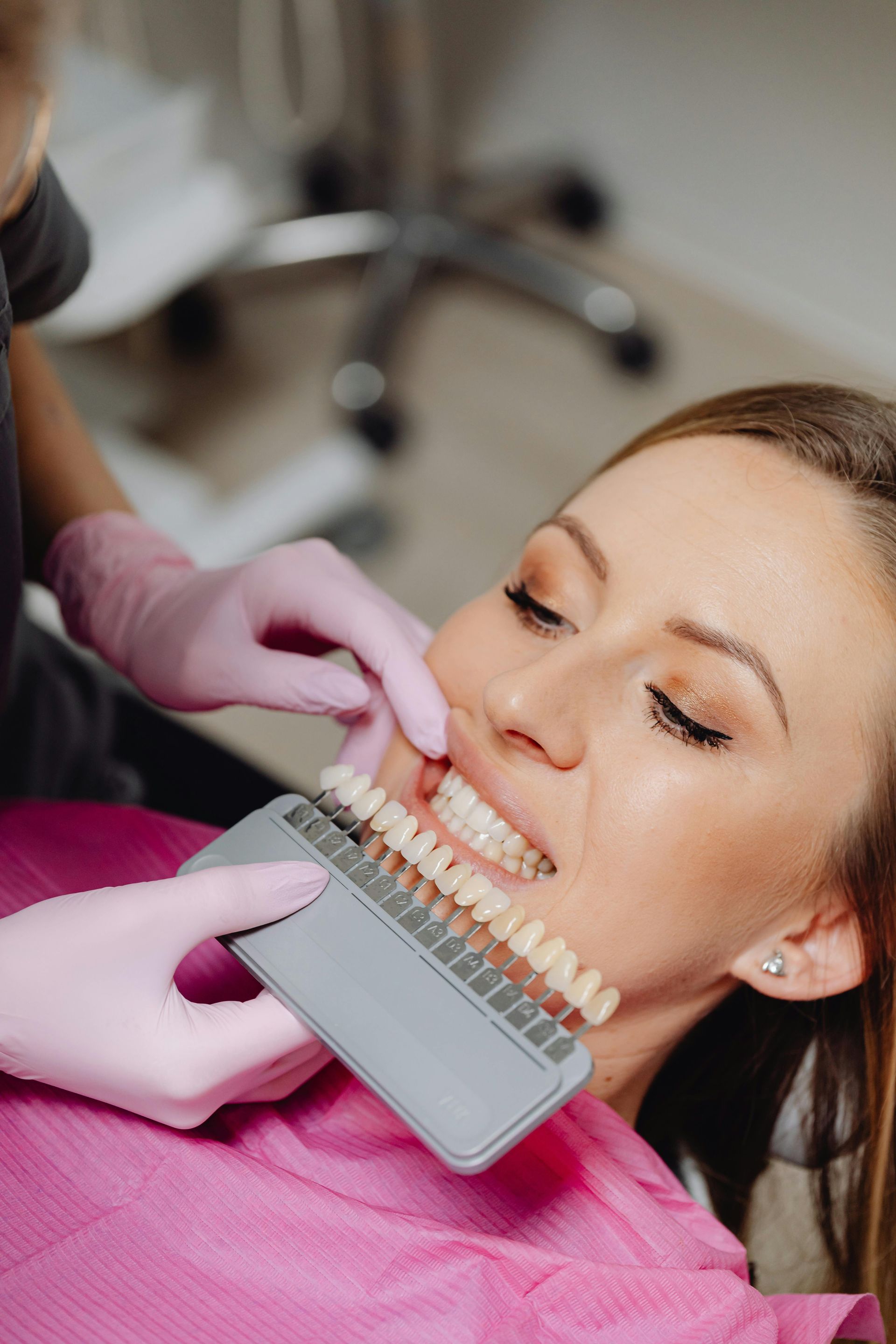
Even with great brushing habits, staining from food and drinks builds up over time. That’s where professional whitening comes in.
Here’s why professional teeth whitening is so effective:
1. Stronger Whitening Agents
At Trident Smile, our whitening system uses clinically proven whitening ingredients that are much stronger and more effective than store-bought strips or toothpaste.
2. Removes Deep, Set-In Stains
Surface stains are easy to manage—but deep enamel stains require professional-grade whitening to lift discoloration from within the tooth.
3. Quick, Noticeable Results
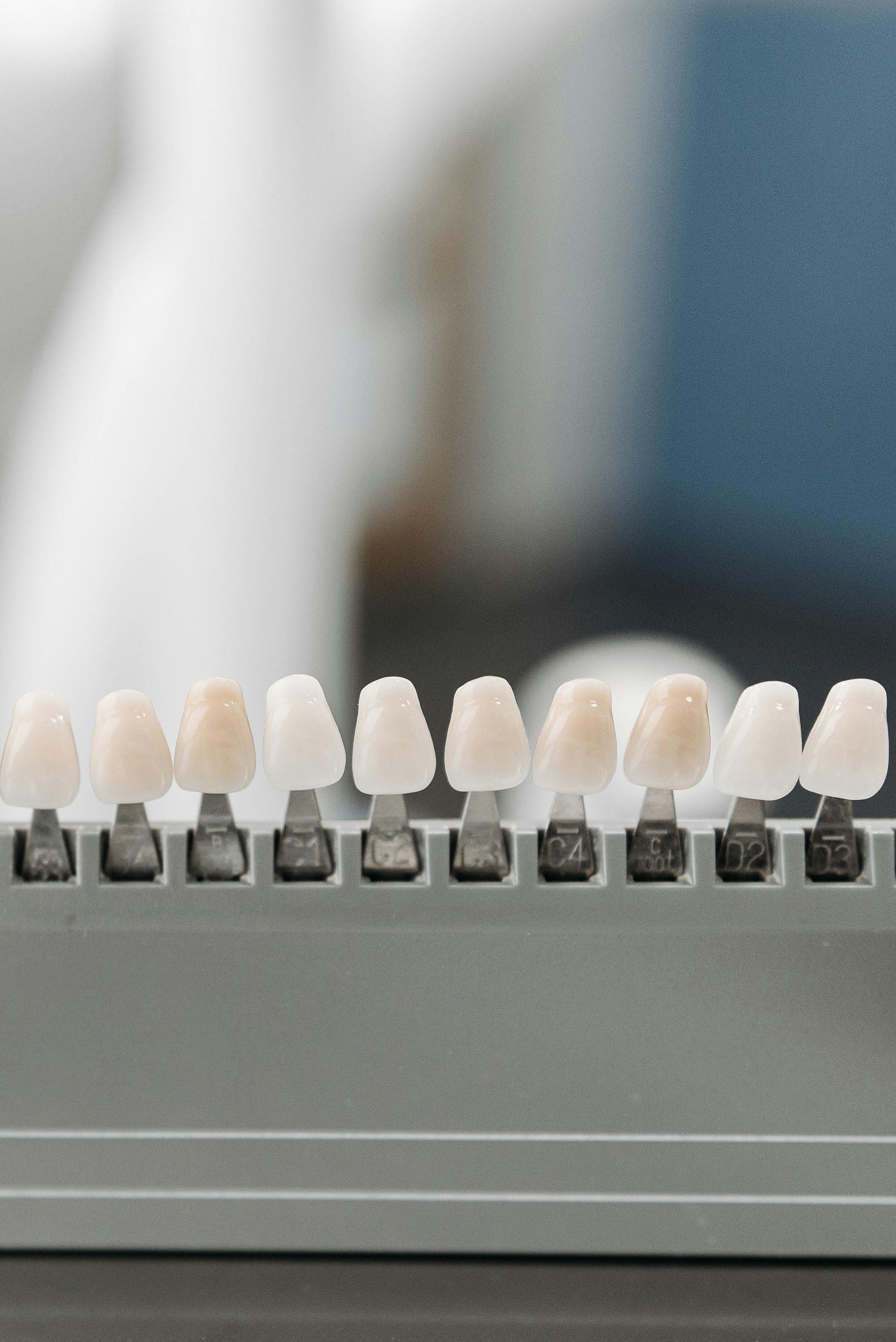
Most patients see immediate improvement after just one visit, with teeth looking several shades brighter.
4. Safe and Sensitivity-Controlled
Professional whitening is designed to minimize sensitivity while maximizing results—something over-the-counter options can’t match.
5. Boosts Confidence
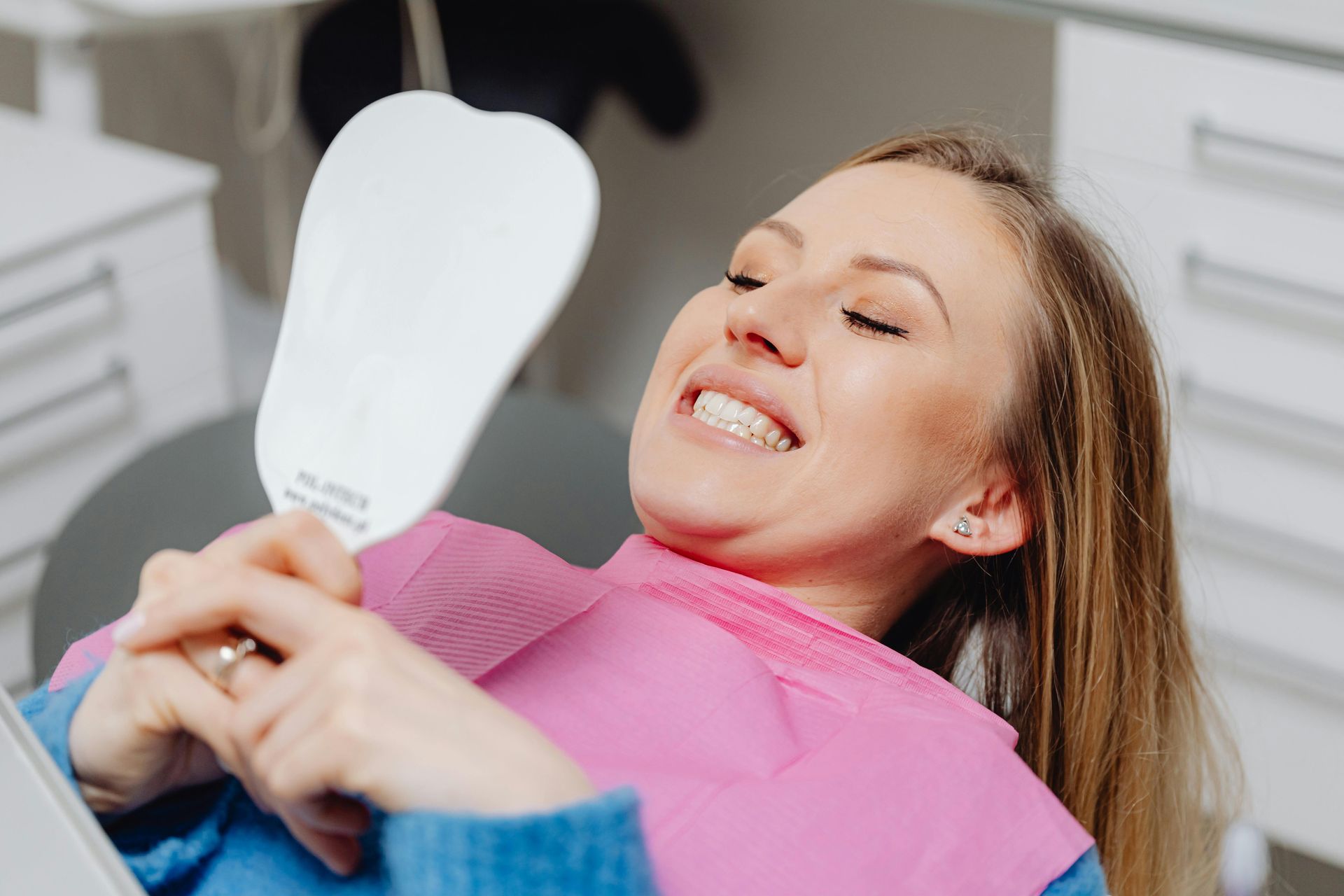
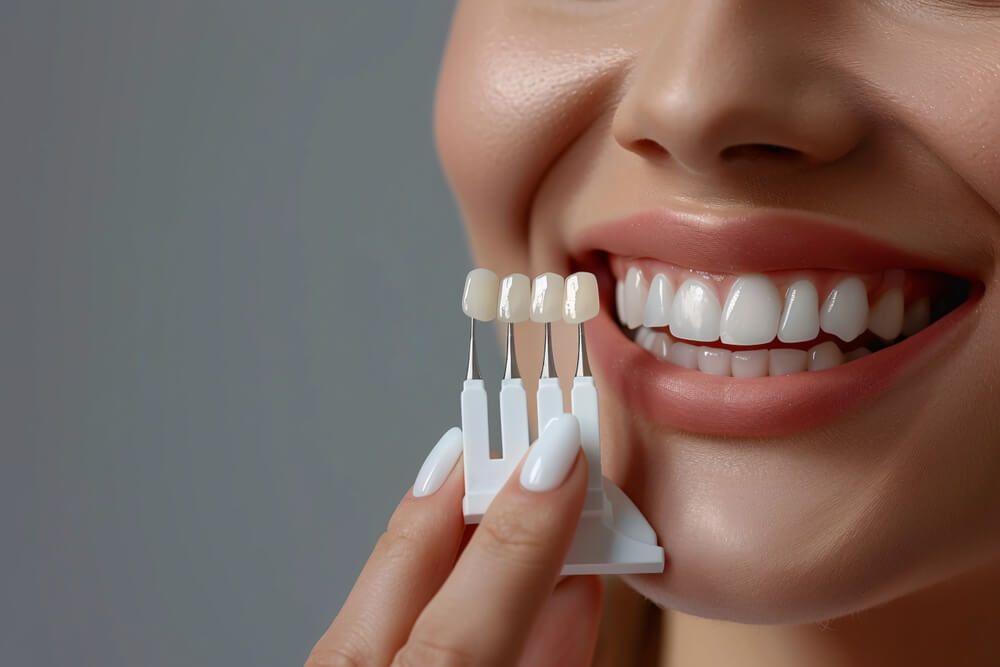
A whiter smile instantly enhances your appearance, boosts self-esteem, and makes you feel more confident in photos, conversations, and daily life.
How to Keep Your Teeth Whiter After Whitening
To maintain your results:
- Rinse or brush after drinking coffee, tea, or wine
- Use a straw for darker beverages
- Schedule regular cleanings
- Follow your whitening aftercare plan
- Avoid smoking or vaping
- Choose whitening-friendly foods like apples, celery, or cauliflower
Ready for a Brighter, More Confident Smile?
At Trident Smile, we offer fast, affordable, and effective professional teeth whitening designed to safely brighten your smile in just one session.
✨ If you want to dramatically improve your smile, we’ve got you covered.
Book your whitening session today!